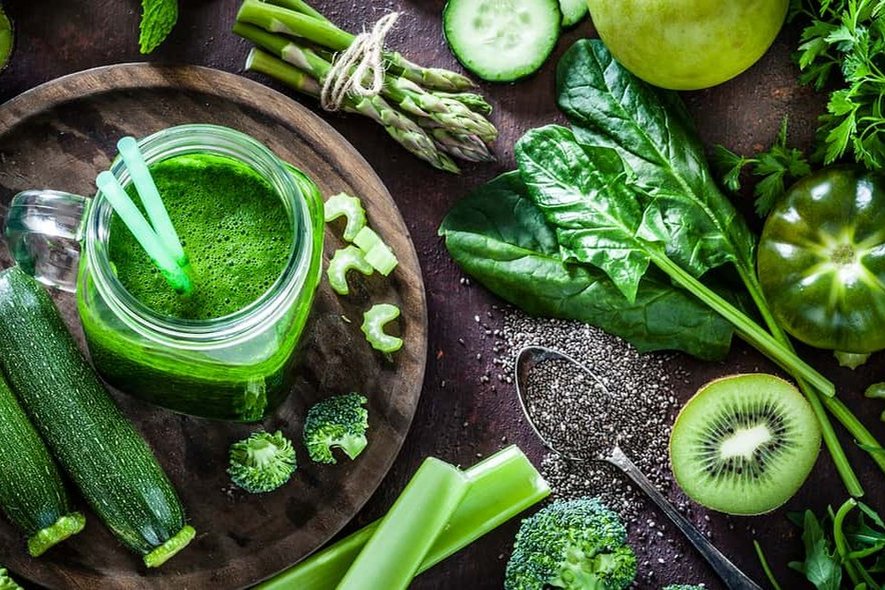
When cold and flu season arrives, it is tempting to look for a quick fix in a bottle or a powder. The truth is simpler and more powerful: your immune system relies on a steady supply of nutrients from everyday food. A varied, colorful diet will not make you invincible, but it helps your body respond well when germs come along.
Fill half your plate with color
Fruits and vegetables bring vitamin C, vitamin A, folate and plant compounds that support the cells of your immune system. Aim for a mix of colors through the week.
- Citrus fruits, kiwi, berries and peppers for vitamin C
- Carrots, sweet potatoes, squash and leafy greens for vitamin A
- Broccoli, spinach and beans for folate
- Garlic, onions and herbs to add flavor and variety
Do not forget protein
Antibodies and immune cells are built from protein. Include a source at each meal, such as eggs, fish, chicken, beans, lentils, tofu, yogurt or nuts. This matters even more when you are recovering from an illness.
Zinc, vitamin D and healthy fats
Zinc, found in seafood, meat, beans, seeds and whole grains, helps immune cells work properly. Vitamin D comes mainly from sunlight, which is limited in winter, and from oily fish, eggs and fortified foods. Some people need a supplement, so ask us before you start one. Olive oil, nuts, seeds and oily fish provide healthy fats that help calm unwanted inflammation.
Drink well and keep treats in balance
Water, herbal teas and broths keep you hydrated, which helps your body clear mucus and recover. Large amounts of alcohol and sugary foods can weaken your defenses, so keep them as occasional treats.
When to see a doctor
Book a visit if you get sick very often, take a long time to recover, are losing weight without trying or follow a restricted diet. We can check for low iron or vitamin levels and build a realistic eating plan with you.
This article is general information and not a substitute for personal medical advice.