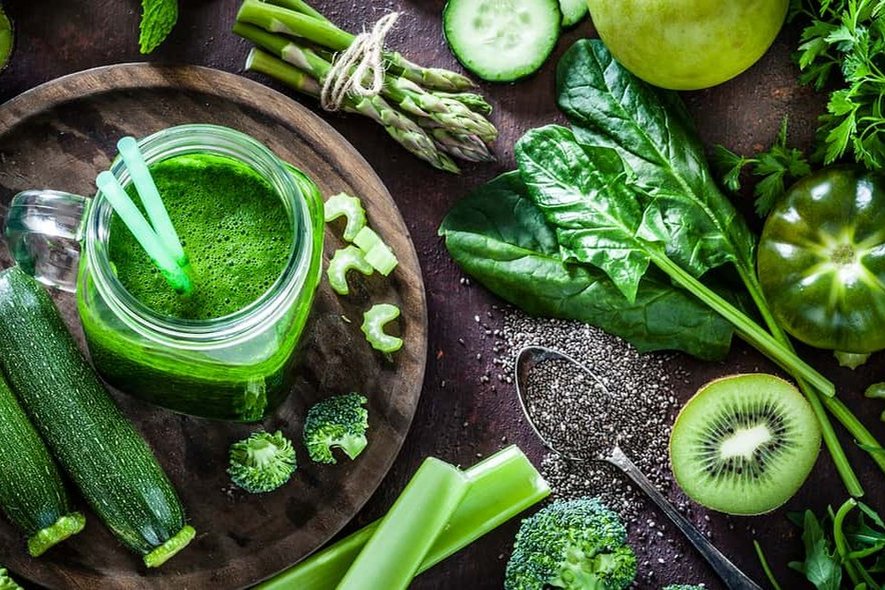
Your gut does far more than digest food. It is home to a huge community of friendly bacteria, together known as the gut microbiome, and to a large share of your immune cells. When this system is in good balance, it helps train your immune defenses, keeps harmful germs in check and supports the barrier that lines your digestive tract.
Why gut bacteria matter
Helpful bacteria feed on fiber and produce substances that nourish the gut lining and calm inflammation. A diverse microbiome makes it harder for harmful bacteria to settle in. Things like a low-fiber diet, frequent antibiotics, poor sleep and ongoing stress can reduce that diversity.
Feed your friendly bacteria
- Eat plenty of fiber from vegetables, fruit, beans, lentils, oats and whole grains
- Try to include a wide variety of plant foods across the week
- Add fermented foods such as yogurt, kefir, sauerkraut or kimchi if you enjoy them
- Choose nuts, seeds and olive oil over heavily processed snacks
Use antibiotics wisely
Antibiotics are vital for bacterial infections, but they do not work on viruses such as colds and most sore throats, and they can disturb your gut bacteria. Take them only when prescribed, finish the course as directed and never share them.
Sleep, stress and movement
Your gut and brain are closely linked. Regular sleep, daily movement and time to unwind all support a healthier gut and a steadier immune system.
When to talk to us
See a doctor if you have ongoing bloating, pain, diarrhea or constipation, blood in your stool, unexplained weight loss or symptoms that wake you at night. We can look for the cause and help you find a gentle, practical way to feel better.
This article is general information and not a substitute for personal medical advice.